> For the complete documentation index, see [llms.txt](https://docs.rapidproxy.io/llms.txt). Markdown versions of documentation pages are available by appending `.md` to page URLs; this page is available as [Markdown](https://docs.rapidproxy.io/simplified-mandarin/dai-li/ji-cheng-zhi-nan/dong-tai-zhu-zhai-dai-li/clonbrowser.md).
# ClonBrowser
### **步骤 1:登录 ClonBrowser**
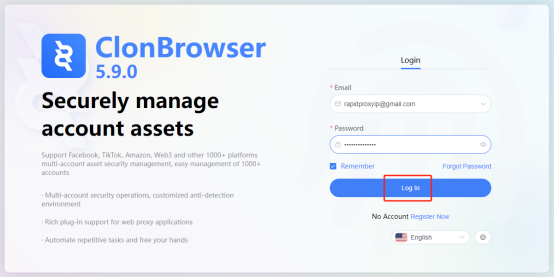
打开 ClonBrowser,点击 **【Log in/登录】** 以访问您的账户。
 ### **步骤 2:创建新的浏览器配置**
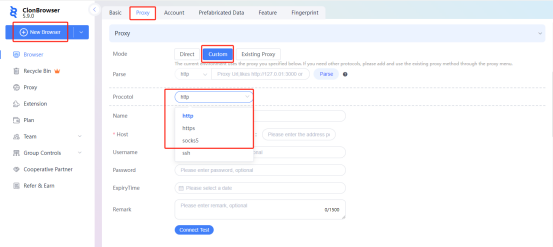
点击 **【New Browser/新建浏览器】**,选择【Proxy/代理】选项,然后选择 **【Custom/自定义】**。
在 **【Proxy Type/代理类型】** 部分,选择**【HTTP】**。
**代理类型**:本示例使用 HTTP。请注意,RapidProxy 支持 HTTP、HTTP(S)& SOCKS5 协议。
### **步骤 2:创建新的浏览器配置**
点击 **【New Browser/新建浏览器】**,选择【Proxy/代理】选项,然后选择 **【Custom/自定义】**。
在 **【Proxy Type/代理类型】** 部分,选择**【HTTP】**。
**代理类型**:本示例使用 HTTP。请注意,RapidProxy 支持 HTTP、HTTP(S)& SOCKS5 协议。
 ### **步骤 3:输入代理信息**
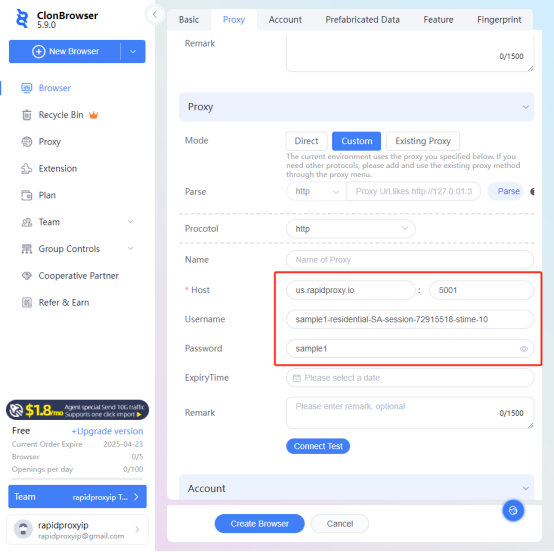
将在 RapidProxy 中生成的代理信息粘贴到 ClonBrowser 的相应字段中。
* [如何通过 API 获取住宅代理?](/simplified-mandarin/dai-li/dong-tai-zhu-zhai-dai-li/huo-qu-dai-li/api/tong-guo-api-fang-shi-huo-qu-dai-li.md)
* [如何通过用户名和密码认证获取住宅代理?](/simplified-mandarin/dai-li/dong-tai-zhu-zhai-dai-li/huo-qu-dai-li/yong-hu-ming-he-mi-ma-ren-zheng/pei-zhi-zhu-zhai-dai-li.md)
### **步骤 3:输入代理信息**
将在 RapidProxy 中生成的代理信息粘贴到 ClonBrowser 的相应字段中。
* [如何通过 API 获取住宅代理?](/simplified-mandarin/dai-li/dong-tai-zhu-zhai-dai-li/huo-qu-dai-li/api/tong-guo-api-fang-shi-huo-qu-dai-li.md)
* [如何通过用户名和密码认证获取住宅代理?](/simplified-mandarin/dai-li/dong-tai-zhu-zhai-dai-li/huo-qu-dai-li/yong-hu-ming-he-mi-ma-ren-zheng/pei-zhi-zhu-zhai-dai-li.md)
 ### **步骤 4:测试并保存代理配置**
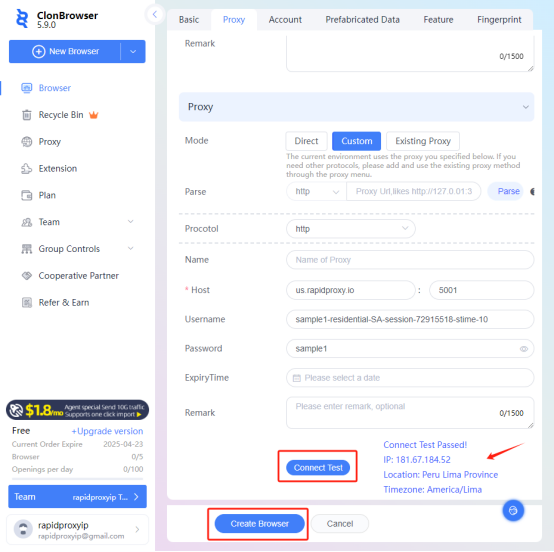
* 配置完成后,点击 **【Connect Test/连接测试】** 以检查代理连接。
* 如果连接成功,您将看到 “Connect test passed!/连接测试通过!” 的提示信息。
* 此时,您已成功设置代理。点击 **【Create Browser/创建浏览器】** 以保存代理配置。
### **步骤 4:测试并保存代理配置**
* 配置完成后,点击 **【Connect Test/连接测试】** 以检查代理连接。
* 如果连接成功,您将看到 “Connect test passed!/连接测试通过!” 的提示信息。
* 此时,您已成功设置代理。点击 **【Create Browser/创建浏览器】** 以保存代理配置。
 ### **步骤 5:启动代理**
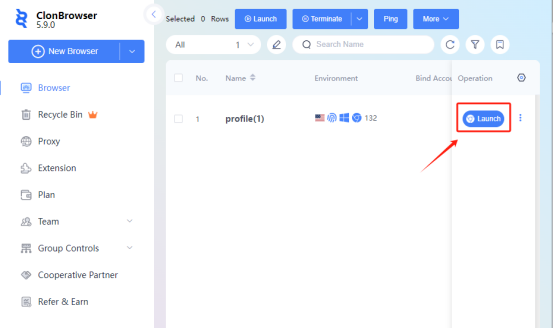
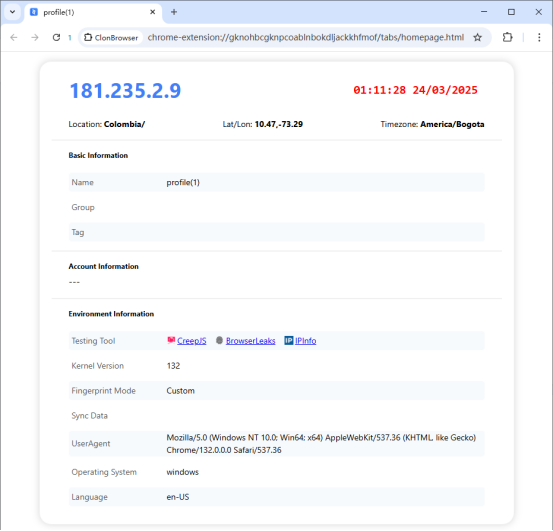
点击 **【Launch/启动】** 开始使用已配置的代理,现在您可以安全地进行在线活动了。
### **步骤 5:启动代理**
点击 **【Launch/启动】** 开始使用已配置的代理,现在您可以安全地进行在线活动了。