> For the complete documentation index, see [llms.txt](https://docs.rapidproxy.io/llms.txt). Markdown versions of documentation pages are available by appending `.md` to page URLs; this page is available as [Markdown](https://docs.rapidproxy.io/proxies/integration-guide/static-residential-proxies/vmlogin.md).
# VMLogin
### **Step 1: Obtain Proxy Information**
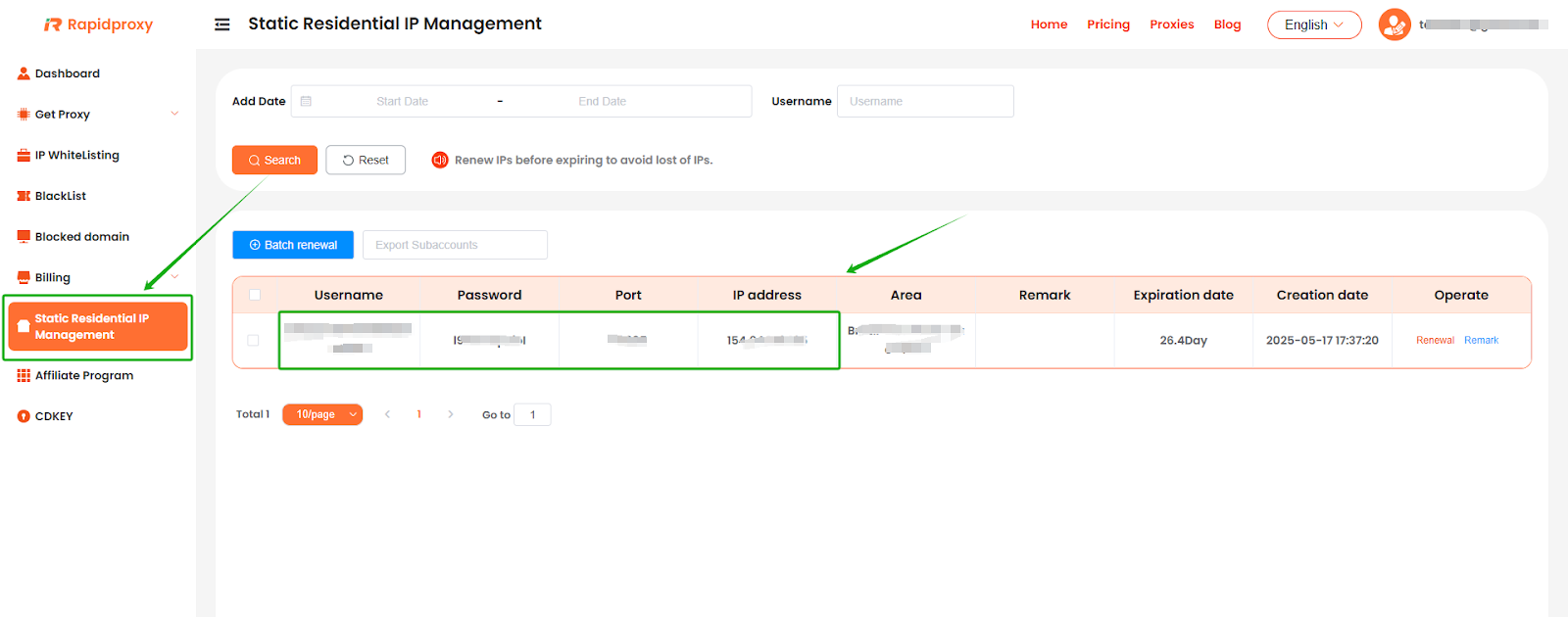
Log in to the RapidProxy dashboard, go to **【Static Residential lP Management】**, and obtain the proxy information:
**IP Address : Port : Username : Password**
### **Step 2: Configure the Proxy in** [**VMLogin**](https://www.vmlogin.cc/)
1. #### **Create a New Browser Profile**
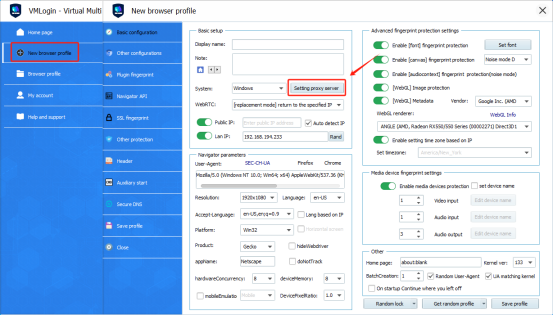
Click **【New browser Profile】** and select **【Setting proxy server】**.
2. #### **Configure the Proxy Server**
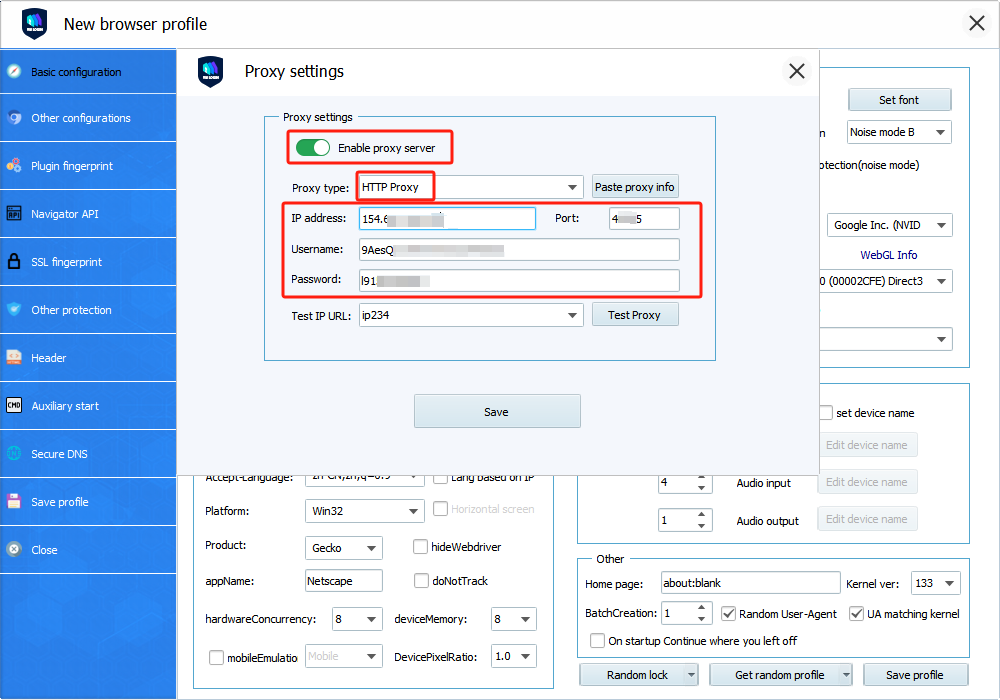
1.Click **【Enable proxy server】**, and select **【HTTP】** from the **【Proxy type】** dropdown menu.\
2.Paste the proxy information generated by **Rapidproxy** into the corresponding fields in VMLogin.
**Note:** This guide uses **HTTP** as an example. Rapidproxy supports **HTTP(S)** and **SOCKS5** protocols.
3. #### **Test the Proxy Connection**
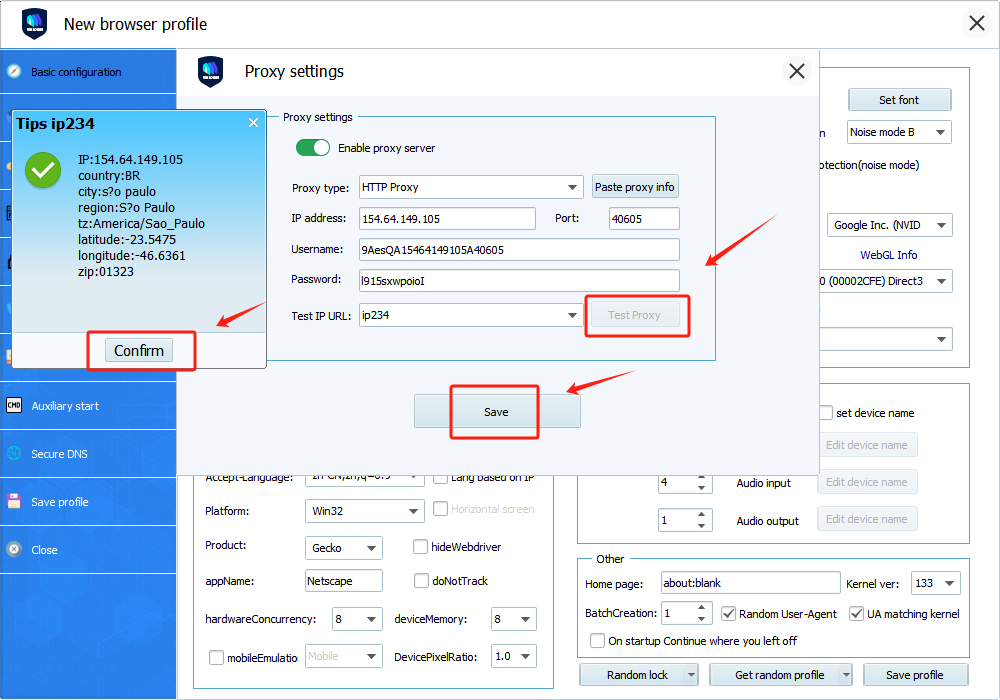
1\. After configuration, click **【Test Proxy】** to check if the connection is working properly. If everything is fine, you will see the proxy details.
2\. Click **【Confirm】**, then click **【Save】** to save the proxy configuration.
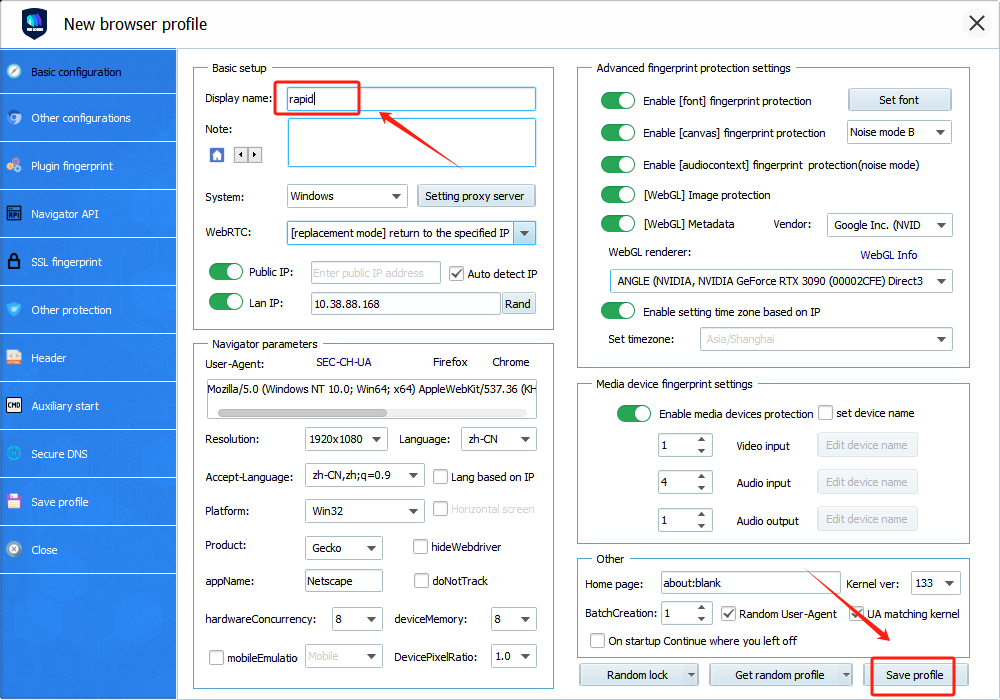
4. #### **Save the Profile**
Return to the page and enter your **【Display name】**. Click **【Save profile】** to start using the newly configured proxy.